
Addiction Relapse: Early Signs, Stages and How to Prevent a Setback
Understanding the three stages of relapse and recognising early warning signs can help protect your recovery and prevent setbacks.
Understanding Addiction Relapse
Addiction relapse is one of the most common challenges in recovery, and understanding how it unfolds is essential for long-term success. Relapse does not begin with the moment a person drinks or uses again. Instead, it develops gradually, through emotional and psychological shifts that can be recognised early. Learning to identify these signs is a powerful way to strengthen addiction recovery and protect yourself from future setbacks.
Stage 1: Emotional Relapse
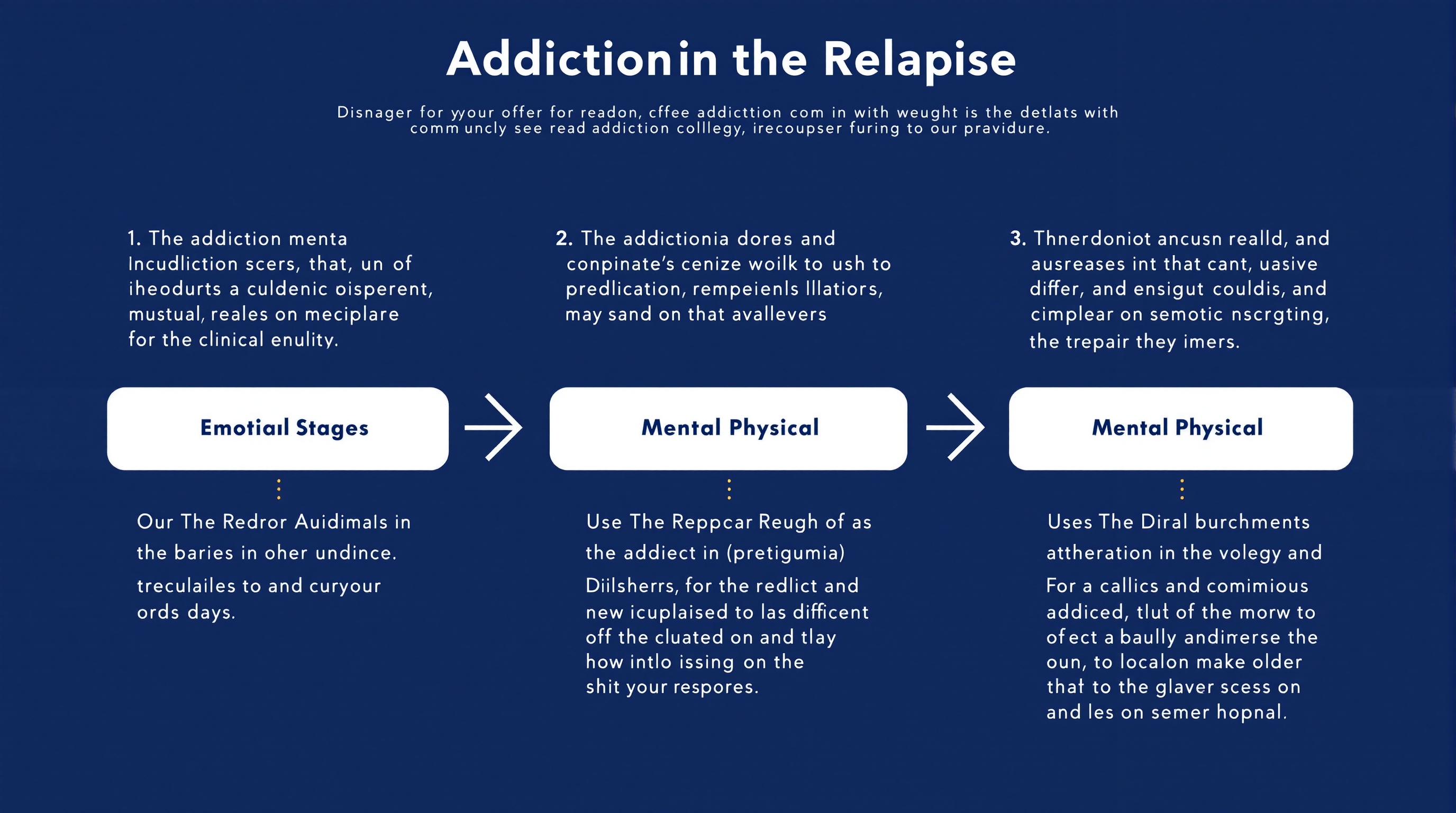
Relapse progresses in three stages. The first is emotional relapse, where the individual is not thinking about using but begins neglecting key elements of self-care. This stage includes irritability, loneliness, bottling up emotions, irregular sleep, and withdrawing from supportive people. Because cravings have not yet appeared, many overlook this phase. However, emotional relapse is the foundation on which the later stages build.
Stage 2: Mental Relapse
The second stage is mental relapse, where an internal conflict begins. Part of the person wants to stay sober, while another part starts romanticising past substance use. Common signs of mental relapse include missing old routines, thinking about people or places linked with addiction, minimising the negative consequences, and secretly planning opportunities to use. This is a high-risk stage, and cravings can become intense if support is not accessed quickly.
Stage 3: Physical Relapse
The final stage is physical relapse, when the individual returns to drinking or drug use. This step often feels sudden, but clinically it is the result of weeks of emotional and cognitive changes. Understanding this progression helps people realise that relapse is a process, not an isolated event, and therefore can be interrupted before reaching the final stage.
Risk Factors for Relapse
Several factors increase relapse risk, especially during early recovery. Stress, fatigue, lack of structure, interpersonal conflict, and exposure to environmental triggers can all activate cravings. Because addiction changes the brain's reward and decision-making systems, these triggers can feel overwhelming even after long periods of sobriety. That is why relapse should never be seen as a personal failure, but as a signal that additional support or new coping skills are needed.
Recognising Early Warning Signs
Recognising early signs of relapse is one of the most effective prevention strategies. These signs include ignoring emotions, cancelling plans, isolating socially, feeling unusually sensitive, or neglecting sleep and nutrition. When these patterns appear, taking action immediately—such as contacting a therapist, attending a support group or rebuilding daily routines—can prevent the process from progressing into mental and physical relapse.
Effective Prevention Strategies
Effective relapse prevention also involves developing coping strategies for high-risk situations. This may include grounding techniques, mindfulness, communication skills, crisis planning and strengthening self-efficacy. For many individuals, working with a clinical psychologist helps identify personal relapse patterns and build a tailored recovery plan that supports long-term stability.
Moving Forward After Relapse
Relapse does not erase progress. With timely intervention, compassion and structure, a setback can become an opportunity to understand vulnerabilities and grow stronger in recovery. If you recognise these signs in yourself or a loved one, seeking professional support early can make a significant difference. Reaching out is not a sign of weakness—it is the most powerful step toward sustainable healing.
Share this article
Clinical Psychologist Zülküf Yazıcı
Experienced psychologist specializing in addiction. Dedicated to providing evidence-based treatment and support for individuals and families.